The History, The Origins And Stories Behind Nigerian 36 States.
Nigeria’s 36 States: The Origins And Stories Behind Their Names.
1. Abia State
Abia is commonly explained as an acronym formed from Aba, Bende, Isuikwuato and Afikpo, four areas associated with the state’s formation in 1991.
Abia was created on August 27, 1991, from the former Imo State under the administration of General Ibrahim Babangida. Umuahia became its capital.
Interestingly, Afikpo, which appears in the popular explanation of the name Abia, is today part of Ebonyi State following the creation of Ebonyi in 1996.
2. Adamawa State
Adamawa was named after Modibbo Adama, a Fulani Islamic scholar and leader who established the Adamawa Emirate in the 19th century.
He was one of the followers of Usman dan Fodio who participated in the jihad that transformed much of the region’s political landscape.
The name Adamawa originated from his name, Adama, and became associated with the territory and the emirate he established.
3. Akwa Ibom State
Akwa Ibom is commonly linked to the Qua Iboe River, also known as the Kwa Iboe River, which flows through the region.
The river’s name became associated with the people and geographical area, eventually giving the state its name when it was created in 1987.
Akwa Ibom was carved out of the former Cross River State, with Uyo becoming its capital.
4. Anambra State
Anambra takes its name from the Anambra River, which is commonly traced to the indigenous name Ọma Mbala or Omambala.
The name Anambra is believed to have evolved through the pronunciation and adaptation of the river’s original name.
The state was created in 1976, and Awka became its capital.
5. Bauchi State
One explanation traces Bauchi to the Hausa expression associated with the southern part of Hausaland, an area historically referred to as the southern flank of the Hausa territories.
Another account links the name to Baushe, a hunter who was said to have settled in the area before the 19th century.
The origin of the name has multiple accounts, making Bauchi one of the states whose naming history requires caution.
6. Bayelsa State
Bayelsa is an acronym formed from the names of three former local government areas from which the state was created: Brass, Yenagoa and Sagbama.
The name is derived from their initials: BA–YE–SA.
Bayelsa was created on October 1, 1996, from the old Rivers State, with Yenagoa as its capital.
7. Benue State
Benue State takes its name from the Benue River, one of the major rivers in Nigeria and the country’s second-largest river after the Niger.
The river flows through several parts of the country and plays an important role in agriculture, fishing, transportation and the livelihoods of communities along its banks.
The state was created in 1976 and named after this major geographical feature.
8. Borno State
Borno takes its name from the historic Bornu Kingdom, one of the most influential kingdoms in the history of the Lake Chad region.
Bornu developed into a major political, commercial and Islamic centre, with a history stretching back centuries.
The modern state preserves the name of this historic kingdom, whose influence extended across parts of present-day Nigeria, Chad, Niger and Cameroon.
9. Cross River State
Cross River is named after the Cross River, a major river that flows through southeastern Nigeria and empties into the Atlantic Ocean.
The river was historically an important route for trade, movement and settlement among communities in the region.
The state was created in 1967 and initially included areas that later became Akwa Ibom State.
10. Delta State
Delta State takes its name from the geographical shape of the Niger Delta, where the River Niger divides into several waterways before emptying into the Atlantic Ocean.
The state lies within the Niger Delta region, an area known for its extensive river networks, wetlands, oil and gas deposits, and coastal communities.
Delta was created in 1991 from the former Bendel State, with Asaba as its capital.
11. Ebonyi State
Ebonyi is named after the Ebonyi River, a river associated with the state and its surrounding communities.
The name is closely connected to the geographical identity of the area, which is known for its agricultural activities and mineral resources.
Ebonyi State was created on October 1, 1996, from parts of the former Abia and Enugu states, with Abakaliki as its capital.
12. Edo State
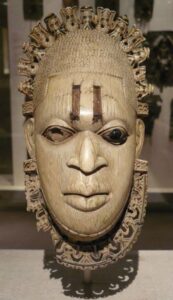
Edo takes its name from the Edo people, whose historical kingdom became widely known as the Benin Kingdom.
The kingdom was one of the most influential precolonial African states, famous for its sophisticated administration, bronze and ivory works, royal traditions and extensive trade.
Edo State was created in 1991 from the former Bendel State, with Benin City as its capital.
13. Ekiti State
Ekiti derives its name from the Ekiti people, a Yoruba subgroup whose communities occupy the hilly region of southwestern Nigeria.
The name is strongly associated with the area’s landscape, which is characterised by hills, rocky formations and numerous traditional communities.
Ekiti State was created in 1996 from the former Ondo State, with Ado-Ekiti as its capital.
14. Enugu State
Enugu takes its name from the word Enu Ugwu, an Igbo expression commonly translated as “top of the hill” or “hilltop.”
The name reflects the geographical setting of Enugu, which developed around a hilly landscape.
The discovery of coal in the area helped transform Enugu into an important mining and administrative centre, earning it the historical nickname “Coal City.” The state was created in 1991.
15. Gombe State
Gombe takes its name from Gombe town, which became an important centre of the Gombe Emirate.
The town developed into a prominent political, commercial and administrative settlement in northeastern Nigeria.
Gombe State was created in 1996 from the former Bauchi State, with Gombe town serving as its capital.
16. Imo State
Imo State takes its name from the Imo River, a major river that flows through parts of southeastern Nigeria.
The river is an important geographical feature in the region and is associated with several communities and settlements.
Imo State was created in 1976, with Owerri as its capital.
17. Jigawa State
Jigawa is associated with the geographical and historical identity of the area occupied by the state.
The name is widely linked to the region’s local naming traditions, although a definitive linguistic explanation of its origin is not consistently documented in popular sources.
Jigawa State was created in 1991 from the former Kano State, with Dutse as its capital.
18. Kaduna State
Kaduna is widely believed to have originated from the Hausa word Kada, meaning crocodile. The name is popularly associated with crocodiles that were said to inhabit the Kaduna River.
The plural form Kadduna is commonly interpreted as referring to crocodiles, which is why Kaduna is sometimes nicknamed “Croc City.”
However, alternative accounts of the name’s origin exist, including explanations associated with indigenous Gbagyi traditions.
Kaduna State was created in 1967, and Kaduna became its capital.
19. Kano State
Kano takes its name from the ancient city of Kano, one of the oldest and most influential commercial centres in northern Nigeria.
The city became a major centre of trans-Saharan trade, attracting merchants who traded textiles, leather, agricultural products and other goods.
Kano’s historical importance grew through its traditional kingdoms, trading networks and later the Kano Emirate.
The state retains the name of this historic city, with Kano serving as its capital.
20. Katsina State
Katsina takes its name from the historic city and kingdom of Katsina, one of the ancient Hausa city-states.
Katsina became an important centre of Islamic scholarship, trade, traditional leadership and regional commerce long before the creation of modern Nigeria.
The state was created in 1987 from the former Kaduna State, with Katsina town as its capital.
21. Kebbi State
Kebbi takes its name from the historic Kebbi Kingdom, which developed into an important political power in the northwestern part of present-day Nigeria.
The kingdom played a significant role in regional history, particularly through its relationships and conflicts with neighbouring kingdoms and empires.
Kebbi State was created in 1991 from the former Sokoto State, with Birnin Kebbi as its capital.
22. Kogi State
Kogi takes its name from the Nupe word Kogi, meaning river, according to commonly circulated explanations of the state’s name.
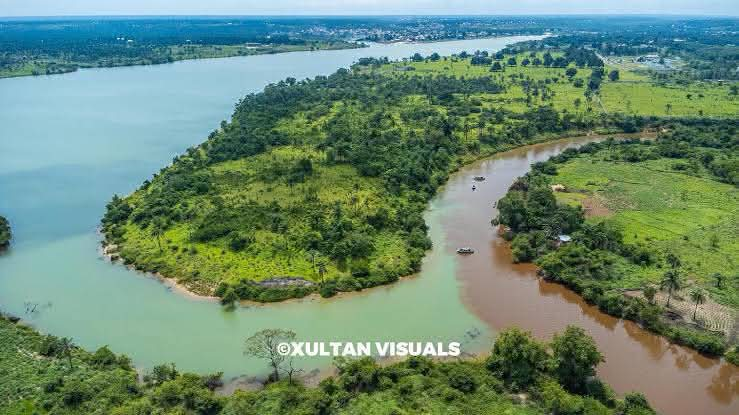
The name reflects the state’s geographical position around the confluence of the Niger and Benue rivers at Lokoja.
Kogi State was created in 1991, with Lokoja, the historic meeting point of the two major rivers, as its capital.
23. Kwara State
Kwara takes its name from the River Niger, which is historically associated with the name Kwara in local usage.
The name became associated with the geographical area that formed the state.
Kwara State was created in 1967, with Ilorin as its capital.
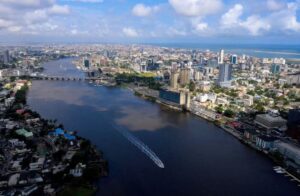
24. Lagos State
Lagos was originally known by indigenous names, including Eko, which remains the traditional name used by many residents.
The name Lagos was given by Portuguese explorers and is generally traced to the Portuguese word Lagos, meaning lakes, a name associated with the waterways and lagoons around the settlement.
Lagos became an important port and commercial centre during the colonial period and was later the capital of Nigeria until the capital was moved to Abuja in 1991.
25. Nasarawa State
Nasarawa takes its name from the historic Nasarawa Kingdom, founded in the late 18th century by Makama Dogo.
The name Nasarawa is commonly associated with the kingdom’s history and its traditional leadership.
Nasarawa State was created in 1996 from the former Plateau State, with Lafia as its capital.
26. Niger State
Niger State is named after the River Niger, one of Africa’s longest rivers and one of the most important waterways in West Africa.
The river has historically supported transportation, trade, agriculture, fishing and settlements across the region.
Niger State was created in 1976, with Minna as its capital.
27. Ogun State
Ogun State takes its name from the Ogun River, a major river in southwestern Nigeria.
The river flows through parts of the Yoruba region and is associated with settlements, agriculture and historical communities along its route.
The name Ogun also has cultural significance in Yoruba tradition, where Ogun is the deity associated with iron, metalworking, technology and warfare. The state was created in 1976, with Abeokuta as its capital.
28. Ondo State
Ondo takes its name from the historic Ondo Kingdom, associated with the Yoruba people of southwestern Nigeria.
The kingdom’s history is tied to the traditions, migration stories and political development of the Ondo people.
Ondo State was created in 1976, with Akure as its capital. Ekiti State was later carved out of Ondo in 1996.
29. Osun State
Osun State is named after the Osun River, which is deeply connected to Yoruba culture, history and spirituality.
The river is associated with Osun, a revered Yoruba deity, and the Osun-Osogbo Sacred Grove is one of the most important cultural and religious sites connected to the tradition.
Osun State was created in 1991 from the former Oyo State, with Osogbo as its capital.
30. Oyo State
Oyo takes its name from the historic Oyo Empire, one of the most powerful Yoruba empires in West Africa.
The empire expanded through political organisation, military strength, trade and its influence over several Yoruba communities and neighbouring territories.
Oyo State was created in 1976, with Ibadan as its capital.
31. Plateau State
Plateau State takes its name from the Jos Plateau, an elevated geographical region in central Nigeria.
The plateau is known for its cooler climate, distinctive landscape, rocky formations and rich mineral deposits.
Plateau State was created in 1976, with Jos as its capital.
32. Rivers State
Rivers State was named after the numerous rivers, creeks and waterways that dominate its geographical landscape.
The region is part of the Niger Delta, where water channels, mangrove forests, wetlands and coastal settlements are widespread.
Rivers State was created in 1967, with Port Harcourt as its capital.
33. Sokoto State
Sokoto takes its name from the historic Sokoto city, which became the seat of the Sokoto Caliphate.
The caliphate was established in the early 19th century following the jihad led by Usman dan Fodio and became one of the most influential Islamic political systems in West African history.
Sokoto State was created in 1976, with Sokoto city as its capital.
34. Taraba State
Taraba State takes its name from the Taraba River, a major waterway in northeastern Nigeria.
The river flows through the region and is associated with communities, agricultural activities and the area’s natural landscape.
Taraba State was created in 1991 from the former Gongola State, with Jalingo as its capital.
35. Yobe State
Yobe takes its name from the Yobe River, also known as the Komadugu Yobe, which forms part of the natural geography of northeastern Nigeria.
The river is important to communities across the region, particularly for agriculture, fishing and water supply.
Yobe State was created in 1991 from the former Borno State, with Damaturu as its capital.
36. Zamfara State
Zamfara takes its name from the historic Zamfara Kingdom, an ancient Hausa kingdom in northwestern Nigeria.
Zamfara had its own political history and traditional leadership long before the creation of modern states in Nigeria.
Zamfara State was created in 1996 from the former Sokoto State, with Gusau as its capital.
37. Federal Capital Territory (Abuja)
Abuja was named after Abu Ja, a ruler associated with the Abuja Kingdom, which existed in the area before the establishment of Nigeria’s modern capital.
The original Abuja was a historic settlement and emirate whose name was retained when the Federal Capital Territory was established.
Abuja was chosen to replace Lagos as Nigeria’s capital because of its central location and the need for a neutral, more centrally positioned federal capital.
The Federal Capital Territory was established in 1976, while the movement of government from Lagos to Abuja was completed in December 1991.
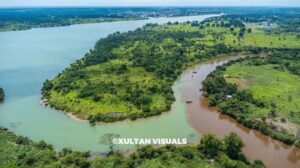
The History, The Origins And Stories Behind Nigerian 36 States