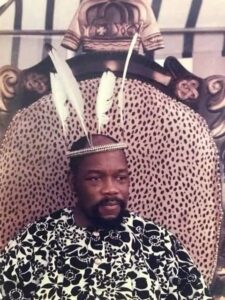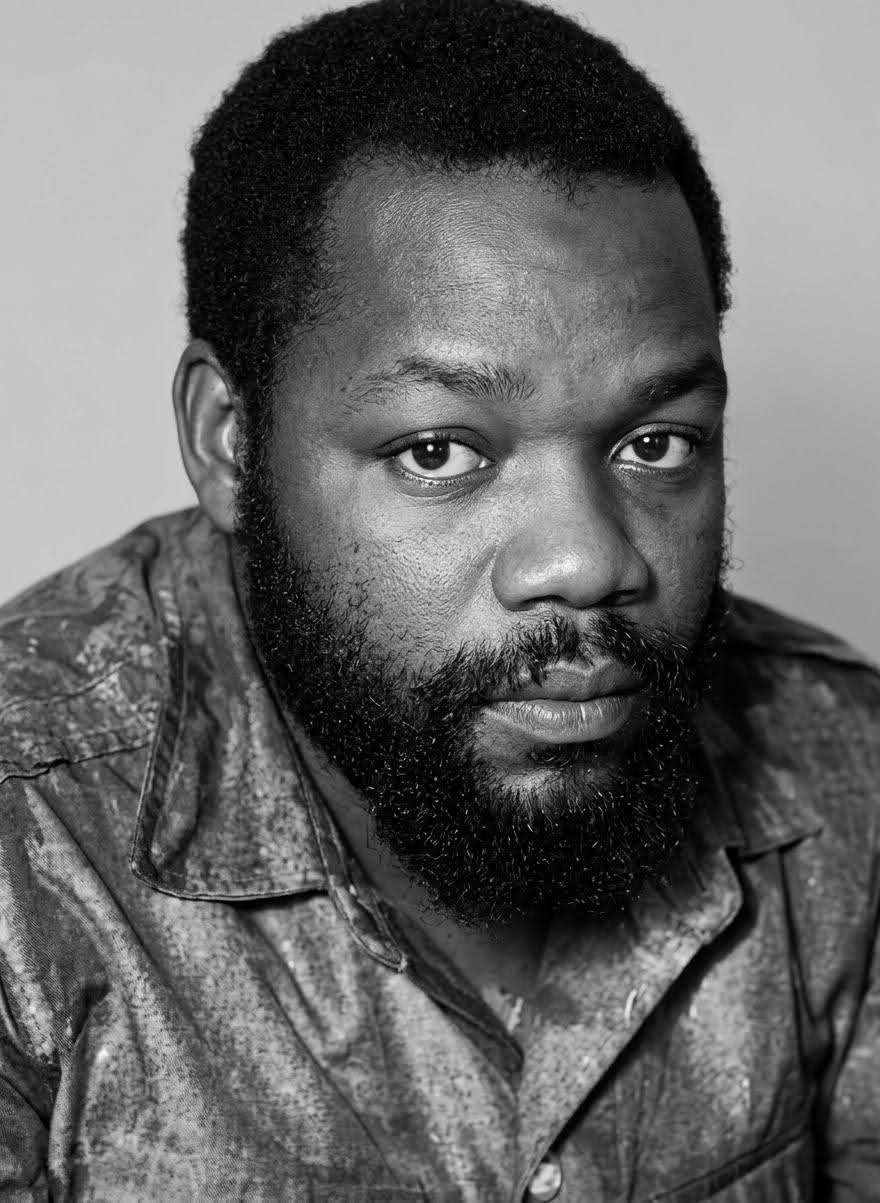
The History And things you need to know about Chukwuemeka Odumegwu Ojukwu
Did you know that the General of the People’s Army, Chukwuemeka Odumegwu Ojukwu, was born in November of 1933.
He had his early education in Roman Catholic school, Anglican Grammar School and Kings college in Lagos. In 1947, he gained admission into Epsom college, a reputable British public school, where he went to. He attained academic success as well as flying colours in Rugby and athletics. He went further to Lincoln College, Oxford where he graduated in 1955. Holding an M.A in modern history.
Upon his return to Nigeria, he got a job and served as a government administrative officer in the then Eastern Nigeria. In 1957, he joined the Nigerian Army as the FIRST INDIGENOUS UNIVERSITY GRADUATE as a private. But because he couldn’t hide his intelligence and education, he was entered into Eaton Hall Officer Cadet School in Chester, England, where he was commissioned with the rank of second lieutenant. He later attended officers courses at Hythe and Warminister and upon his return to Nigeria in December of 1958, he was appointed company commander of the fifth Battalion of the Nigerian Army.
Here is what he achieved in the 6 years that followed:
1. The Cameroun Campaign of 1959 against the armed uprising in the Bamaliki area of the French Cameroun. His task was to protect the Nigerian borders of that sector.
2. As a full lieutenant, he taught infantry tactics and military law to new recruits at the Officers training school of the Royal West African Frontier Force in Teshie, Ghana in 1959.
3. He served as the deputy assistant adjunct and with the rank of a Major, the quartermaster to the first Nigerian brigade in 1961.
4. He served in the UN operations in Luluabourg in the Congo in 1962.
5. In May of 1962, he attended the Joint Services Staff College in Latimer, England and in December of same year he was promoted to Lieutenant Colonel and appointed the quartermaster general of the Nigerian Army. He was the first indigenous Nigerian to hold that position.
6. By the end of 1964, he was transferred to assume the command of the fifth Battalion in Kano.
In March of 1965, while he was commanding a composite battalion to stop a communal uprising in the Tiv area of Northern Nigeria, he was appalled by the brutality dished out to the local population. He sought permission to leave his special command and return to his battalion headquarters in Kano. He was granted permission to do so.
On the 19th of January, 1966, he was appointed the military governor of Eastern Nigeria following the January 15th coup. Following the disturbances and unaliving of people from Eastern Nigeria all over the country, he then led the Eastern region delegation in a meeting in Ghana in what is now known as the “Aburi agreement” on the 4th and 5th of January of 1967.
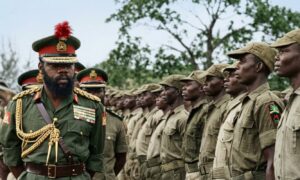
On May 30th 1967, he declared the Eastern region along with its territorial waters as an independent state with the title of the Republic of Biafra. In May of 1969, in a unanimous decision of the Biafran Consultative Assembly, he was promoted to the rank of General which gave him the title “The General of the People’s Army”.
On midnight of 9th January of 1970, he left Biafra to begin his exile in Cote d’Ivoire. On June 18th 1982, he returned to Nigeria to live out his days in peace. He passed away on November 26, 2011 at the age of 78.
On March 2, 2012, the Nigerian Army granted him full military burial at his home town in Nnewi, Anambra State. With 21-G*n salute and pallbearers from the armed forces. The then president, Goodluck Ebele Jonathan, in attendance as a state burial was given to him.
Though he was born wealthy, he is an advocate and a firm believer in the destiny of the BLACK MAN. His personal standards reads: TO THY OWN SELF BE TRUE.
Lesson: In Africa, Burkinabes are the truest example of the modern day “To thy own self be true”
What lessons did you learn from this inspiring character?