The History of Murtala Muhammad The General Who Ruled With “immediate Effort” The Died On His Way To Work.
𝗠𝗨𝗥𝗧𝗔𝗟𝗔 𝗠𝗨𝗛𝗔𝗠𝗠𝗘𝗗: 𝗧𝗛𝗘 𝗚𝗘𝗡𝗘𝗥𝗔𝗟 𝗪𝗛𝗢 𝗥𝗨𝗟𝗘𝗗 𝗪𝗜𝗧𝗛 “𝗜𝗠𝗠𝗘𝗗𝗜𝗔𝗧𝗘 𝗘𝗙𝗙𝗘𝗖𝗧” 𝗧𝗛𝗘𝗡 𝗗𝗜𝗘𝗗 𝗢𝗡 𝗛𝗜𝗦 𝗪𝗔𝗬 𝗧𝗢 𝗪𝗢𝗥𝗞
It was just after 8 o’clock on the morning of 13 February 1976.
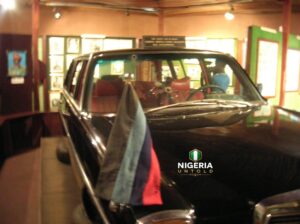
General Murtala Ramat Muhammed was on his way to work in Lagos.
He was travelling in his black Mercedes-Benz, moving slowly through the morning traffic near the Federal Secretariat in Ikoyi.
He had made this journey before.
But this morning was different.
Soldiers suddenly emerged from near a petrol station.
The car was ambushed.
Gunfire erupted.
Within moments, Nigeria’s Head of State was dead.
Murtala Muhammed was 37 years old.
His aide-de-camp, Lieutenant Akintunde Akinsehinwa, was also killed. The attack was part of an abortive coup led by Lieutenant-Colonel Bukar Suka Dimka.
But who was the man whose death would suddenly change the direction of Nigeria?
To understand Murtala, you have to go back to Kano.
He was born on 8 November 1938.
He attended Barewa College in Zaria before joining the Nigerian Army in 1958.
He was trained at the Royal Military Academy, Sandhurst, and later served in the Congo before rising through the ranks of the Nigerian Army.
Then Nigeria began to fall apart.
On 15 January 1966, the First Republic was overthrown in a military coup.
Prime Minister Abubakar Tafawa Balewa was killed.
Sir Ahmadu Bello was killed.
Major General Johnson Aguiyi-Ironsi eventually took power.
But among many northern officers, anger over the killings and Ironsi’s subsequent policies was growing.
Murtala was among those who opposed the new order.
Then, on the night of 29 July 1966, northern soldiers mutinied.
The counter-coup had begun.
Murtala emerged as one of its most important figures.
Yakubu Gowon eventually became Head of State, but Murtala’s influence within the military continued to grow.
Then came the Civil War.
Murtala commanded the Second Infantry Division during the Federal campaign in the Mid-West and the advance toward the Niger.
The war made him a prominent military figure.
But it also left behind some of the darkest controversies associated with his military career, including allegations concerning the treatment and killing of civilians during the 1967 Asaba massacre.
Those events remain an important and contested part of the history of the war.
After the war, Murtala rose rapidly.
By 1971, he had become a brigadier general.
In 1974, General Yakubu Gowon appointed him Federal Commissioner for Communications.
Then, on 29 July 1975, everything changed again.
Gowon was overthrown while attending an Organisation of African Unity summit in Kampala.
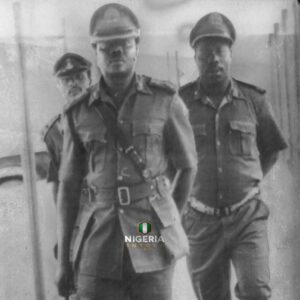
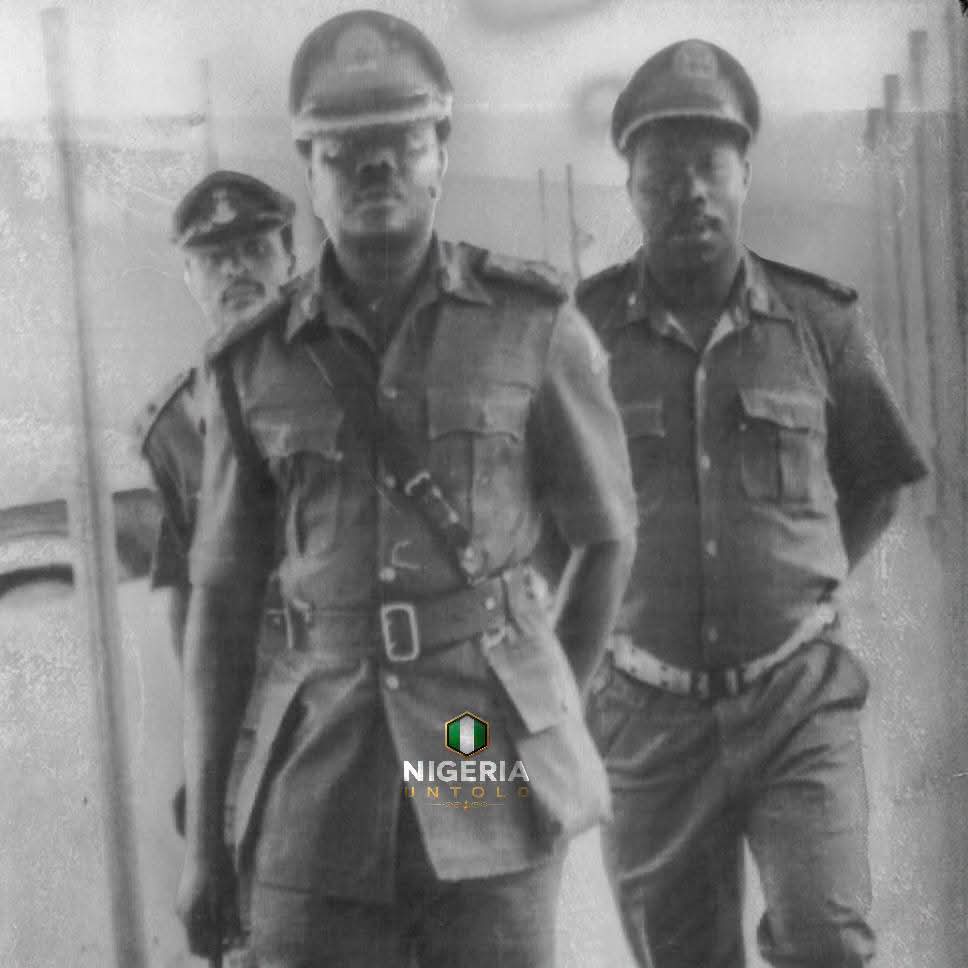
Murtala Muhammed became Nigeria’s new Head of State.
His style was immediately different.
He spoke directly.
He acted quickly.
And one phrase soon became associated with his government:
“With immediate effect.”
Civil servants were retired.
Government structures were reorganised.
New states were created.
And one of the biggest decisions of his short government was announced on 3 February 1976:
Nigeria’s Federal Capital would move away from Lagos to a new Federal Capital Territory in the centre of the country.
The place was Abuja.
But Murtala would never see Abuja become the capital.
Ten days later, he was dead.
On the morning of 13 February, the General who had risen through coups, counter-coups, war and military politics was travelling to his office.
Then the soldiers appeared.
The shooting ended his life and ended a government that had lasted barely seven months.
But the coup itself was not over.
I have continued the story, what happened after Murtala was killed, who led the coup, how the plot collapsed, and what happened to those accused of taking part in the comments 👇
I’ll leave that with you.
ℹ️ 𝗡𝗶𝗴𝗲𝗿𝗶𝗮 𝗨𝗻𝘁𝗼𝗹𝗱
Disclaimer: This post is based on historical records and publicly available information, shared for educational purposes. Where historical accounts differ or remain contested, they are presented as such.