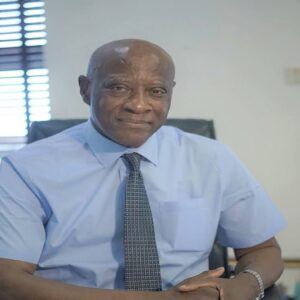
THE HISTORY AND BIOGRAPHY OF CAPTAIN EMMANUEL IHEANACHO
FROM MERCHANT NAVY CAPTAIN TO SHIPPING TYCOON AND FEDERAL MINISTER: THE SUCCESS STORY OF CAPTAIN EMMANUEL IHEANACHO
Some success stories are not built overnight. They are built through discipline, professional experience, calculated risks and the courage to recognise opportunities where others may see limitations.
Today on IgboAmaka Tv, we spotlight Captain Emmanuel Iheanacho, a Nigerian maritime professional, entrepreneur and former Minister of Interior whose journey from working at sea to building businesses in the shipping and oil and gas industries offers important lessons for aspiring entrepreneurs.
👤 EARLY LIFE, FAMILY AND BACKGROUND
Captain Emmanuel Iheanacho was born in Imo State, southeastern Nigeria. In an interview published by the Nigerian National Shipping Line online archive, he explained that his parents were from Owerri and that he grew up in Lagos.
Growing up, Iheanacho described himself as competitive, curious and eager to learn. He was driven by the desire to excel and admired successful people whose achievements inspired him to aim higher.
His story reminds us that a person’s beginnings do not have to determine the limits of their future.
🎓 EDUCATION AND PROFESSIONAL TRAINING
Captain Iheanacho pursued maritime training in the United Kingdom, where he attended the College of Maritime Studies in Warsash.
He later obtained advanced qualifications, including:
📚 Master’s degree in International Transport — University of Wales, Cardiff, United Kingdom.
📚 Master of Business Administration (MBA) — University of Bradford, United Kingdom.
His education and practical maritime training helped equip him with the knowledge needed to navigate international shipping, transportation and business management.
⚓ HIS EARLY WORKING LIFE: FROM CUSTOMS TO THE SEA
Before becoming a prominent shipowner and oil and gas entrepreneur, Iheanacho worked in the Nigerian Customs Service as a member of a team that boarded vessels at port.
It was during this experience that he became fascinated by the work of seafarers.
On a visit to the Nigerian National Shipping Line (NNSL) office in Apapa, Lagos, he saw an advertisement inviting applications for cadets. He applied, passed the examinations and interviews, and was selected for professional training in the United Kingdom.
He subsequently developed a career as a merchant navy officer and rose to the rank of captain.
This was an important turning point: an experience that began with observing other people’s work opened the door to a profession that would eventually shape his business future.
🚢 HOW HE BUILT HIS SHIPPING BUSINESS
After years at sea, Iheanacho began preparing for a future beyond employment.
He explained that after getting married in 1985, he stopped going to sea and sought a shore-based posting in Liverpool. He worked there for approximately two years before leaving the Nigerian National Shipping Line.
He then established Genesis Worldwide Shipping Company.
Building a shipping business was not simply a matter of registering a company. Ships required enormous capital, maintenance, experienced personnel and the ability to secure profitable contracts.
According to his account in the Nigerian National Shipping Line archive, he obtained a loan from the National Maritime Authority to purchase an old ship. He operated that vessel and eventually expanded his fleet to eight ships in total.
His experience illustrates an important business principle: start with an opportunity you understand, build operational experience and expand as your capacity grows.
🛢️ FROM SHIPPING INTO OIL AND GAS
While transporting petroleum products between larger vessels and depots, Iheanacho recognised that opportunities existed beyond shipping services alone.
Instead of remaining solely a transporter for other businesses, he moved into petroleum storage and distribution.
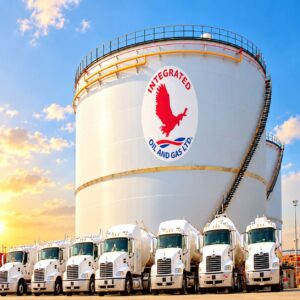
This development led to the establishment of Integrated Oil & Gas Limited, incorporated in 1998 as a spin-off from Genesis Worldwide Shipping.
The company was established to serve customers in Nigeria’s downstream petroleum market.
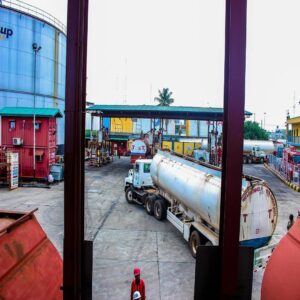
His business interests expanded from transporting petroleum products to developing oil storage facilities and filling stations. He later pursued plans for a private refinery, working with engineers and international partners on feasibility and technical studies.
In a 2019 interview with Punch, he described the transition from moving petroleum products for other traders to building a terminal for his own business as one of the hardest things he had undertaken.
He also explained in a 2026 maritime interview that he eventually sold his ships because he saw greater opportunities in the oil sector at the time.
His journey demonstrates how experience in one industry can reveal opportunities in another.
🏢 HIS MAJOR BUSINESS INTERESTS
Captain Iheanacho is publicly associated with:
1. Genesis Worldwide Shipping Company — his shipping business, through which he developed his ship-owning and maritime operations.
2. Integrated Oil & Gas Limited — the petroleum-sector company established in 1998, where he has served as executive chairman.
His professional work has also included maritime industry advocacy, shipping policy discussions and engagement with issues affecting indigenous shipowners.
🏛️ HIS JOURNEY INTO GOVERNMENT
In April 2010, Captain Iheanacho was appointed Nigeria’s Minister of Interior under President Goodluck Jonathan’s administration.
He served until July 2011.
The Ministry of Interior oversees important areas of national administration, including immigration, correctional services, civil defence and related internal affairs.
During his time in office, reports highlighted his concerns about unfinished prison projects and the large number of inmates awaiting trial. He also inaugurated the Nigeria Civil Defence College for Peace and Disaster Management in Katsina in April 2010.
His appointment brought a maritime professional and businessman into national public service.
In a 2019 interview, he said he wished he had spent more time as minister. He also expressed concern about the difficulties young Nigerians face in finding employment and opportunities.
👨👩👧👦 HIS WIFE AND FAMILY LIFE
Iheanacho has spoken publicly about his wife, whom he met while studying in the United Kingdom in 1985. He described her as humble and supportive, explaining that her strengths complemented his demanding business life.
He has also mentioned that his children were beginning to enter the family business.
🏆 RECOGNITION AND CONTRIBUTIONS
Captain Iheanacho’s professional achievements include the National Maritime Merit Award for Best Master Mariner in Nigeria in 1999, recognising his contribution and performance in the maritime industry.
He has also participated in discussions concerning indigenous shipping, maritime security, local refining, petroleum transportation and the need to develop Nigeria’s domestic shipping capacity.
His career has placed him at the intersection of maritime transport, private enterprise and public policy.
💡 LESSONS FROM CAPTAIN EMMANUEL IHEANACHO’S JOURNEY
There are several lessons aspiring entrepreneurs can take from his story:
✅ Learn a valuable skill: His maritime career gave him practical knowledge that later became an advantage in business.
✅ Pay attention to opportunities: Working in shipping helped him recognise the potential in petroleum transportation and storage.
✅ Start with what you understand: His first ship provided a foundation for a larger business journey.
✅ Think beyond your first business: He expanded from shipping into oil and gas rather than limiting himself to one activity.
✅ Keep learning: His professional training and postgraduate education supported his growth.
✅ Be prepared to take calculated risks: Building a shipping fleet and petroleum infrastructure required significant commitment and difficult decisions.
🌟 FINAL WORD
Captain Emmanuel Iheanacho’s story is a reminder that success can emerge from the combination of professional knowledge, patience, strategic thinking and the courage to build something of your own.
From observing seafarers while working around Nigerian ports, to becoming a merchant navy captain, establishing shipping operations, expanding into the petroleum industry and serving as Nigeria’s Minister of Interior, his career demonstrates the possibilities that can emerge when experience is converted into enterprise.
His journey is not a claim that success comes easily. It is an example of how learning, industry knowledge and the ability to recognise opportunities can help a person build a lasting professional legacy.
What lesson do you take from Captain Emmanuel Iheanacho’s journey — professional discipline, business expansion or the courage to take calculated risks?

THE HISTORY AND BIOGRAPHY OF CAPTAIN EMMANUEL IHEANACHO