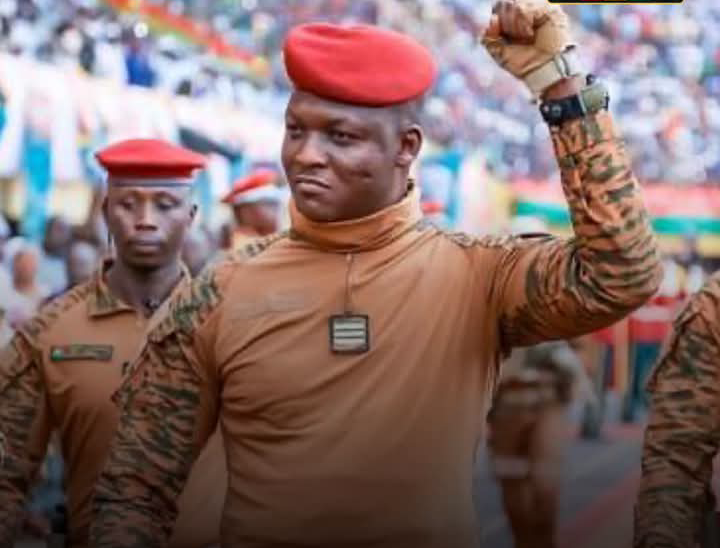
The History of Burkina Faso President Captain Ibrahim Traoré
Four years ago today, Captain Ibrahim Traoré seized power in Burkina Faso. He was 34 years old. The youngest leader in the world. And the most talked-about African president of his generation.
He did not get there by making sweet promises. He got there by delivering on sovereignty.
He kicked French forces out of the country in January 2023, ending a military presence that had failed to stop the jihadist insurgency for a decade . He pulled Burkina Faso out of ECOWAS and formed the Alliance of Sahel States with Mali and Niger—a confederation with its own military force, investment bank, and passport . He bought back gold mines for $90 million and opened the country’s first gold refinery, RAFFINOR-BF, processing 164 tonnes per year . He launched an agricultural offensive that produced grain surpluses of nearly six million tonnes . He cut ministers’ salaries and kept his own captain’s pay.
In January 2026, his security services foiled an assassination plot orchestrated by Paul-Henri Damiba, the man he ousted, funded from neighboring Ivory Coast . Since seizing power, he has faced at least two coup attempts . He is still standing.
Traoré is not a democrat. He has said so himself. He is a revolutionary who believes sovereignty is built by force of will, not by elections. Whether that produces a free Burkina Faso or just a different kind of strongman is the question history will answer. But four years in, he has done what few African leaders dare: he has made sovereignty real, not rhetorical.