The Historical Day a Nigerian Worker Attacked a Powerful British Colonial Official in Lagos in 1950
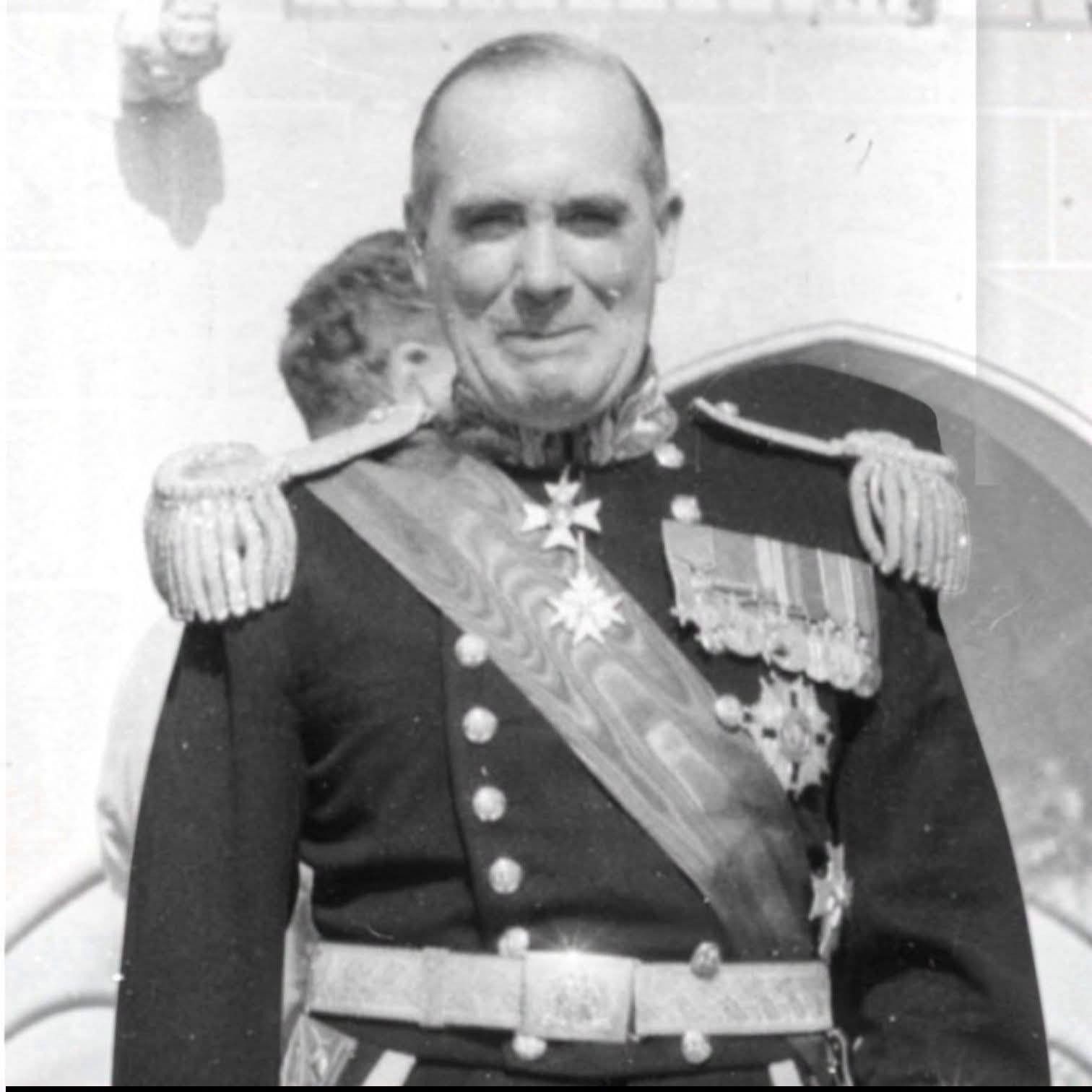
On February 18, 1950, an incident in colonial Lagos brought the growing tension between Nigerians and British colonial authorities into sharp focus. A Nigerian worker named Heelas Chukwuma Ugokwe attacked Sir Hugh Foot, one of the most senior British officials in Nigeria at the time.
The incident took place as Foot was entering the Secretariat building in Lagos, the administrative centre of colonial government. Although Foot survived the attack, the event became part of the turbulent history of Nigeria’s struggle against British colonial rule.
Who Was Heelas Chukwuma Ugokwe?
Ugokwe was reportedly a former soldier who served during the Second World War before taking up employment with Nigeria’s Posts and Telegraph Department.
He was also associated with the Zikist Movement, a radical nationalist organisation inspired by the political ideas of Dr Nnamdi Azikiwe. The movement attracted young Nigerians who were increasingly frustrated with colonial domination and demanded a more decisive struggle for self-government.
Unlike nationalists who pursued change primarily through constitutional negotiations and political campaigning, some members of the radical nationalist movement advocated more confrontational approaches to colonial rule.
Colonial authorities reportedly suspected that Ugokwe’s actions were connected to this atmosphere of radical nationalism. However, the circumstances behind his personal decision to attack Foot should not be assumed without further evidence.
The Attack That Shocked the Colonial Administration
On February 18, 1950, Ugokwe approached Sir Hugh Foot as the colonial official was entering the Secretariat in Lagos. Armed with a knife described in historical accounts as a jackknife, he attacked Foot in an apparent attempt to kill him.
Foot survived, but the incident raised serious concerns within the colonial administration. A senior British official had been attacked in the very heart of the government he represented.
For the authorities, the incident was more than a security breach. It highlighted the growing anger and frustration among some Nigerians who had become unwilling to accept British rule without resistance.
By this period, nationalist sentiments were spreading through political organisations, newspapers, trade unions and among workers and young people. Demands for greater political participation and independence were becoming increasingly difficult for the colonial government to ignore.
The Consequences for Ugokwe
Ugokwe faced serious legal consequences for the attack.
According to historical accounts of the case, he was charged with attempted murder on February 20, 1950. On March 13 of the same year, he was sentenced to life imprisonment.
His case remains a striking example of the risks and consequences associated with the more confrontational currents of Nigeria’s anti-colonial struggle.
Who Was Sir Hugh Foot?
Sir Hugh Foot served as Chief Secretary of Nigeria from 1947 to 1950, making him one of the most senior British officials in the colonial administration.
After leaving Nigeria, he went on to serve as Captain-General and Governor-in-Chief of Jamaica from 1951 to 1957.
His position in Nigeria placed him close to the centre of colonial power at a time when demands for political change were gathering momentum.
What Does This Incident Tell Us About Nigeria’s Independence Struggle?
Nigeria’s independence was not achieved through one dramatic incident or by the efforts of a single individual. It emerged from years of political organisation, constitutional negotiations, journalism, labour activism, nationalist campaigns and resistance to colonial rule.
Figures such as Nnamdi Azikiwe, Herbert Macaulay, Obafemi Awolowo and other nationalist leaders pursued different strategies in the struggle for self-government. Workers, students and ordinary citizens also played important roles in challenging the colonial system.
The attack on Sir Hugh Foot represents one of the more confrontational episodes of this period. It reminds us that colonial Nigeria was not simply a place where people quietly waited for independence. It was a society experiencing intense political disagreements over how British rule should end and what freedom should look like.
History is rarely a simple story of heroes and villains. Understanding incidents like this requires examining the individuals involved, the political conditions of their time and the wider struggle that eventually led Nigeria to independence in 1960.
The Historical Day a Nigerian Worker Attacked a Powerful British Colonial Official in Lagos in 1950
