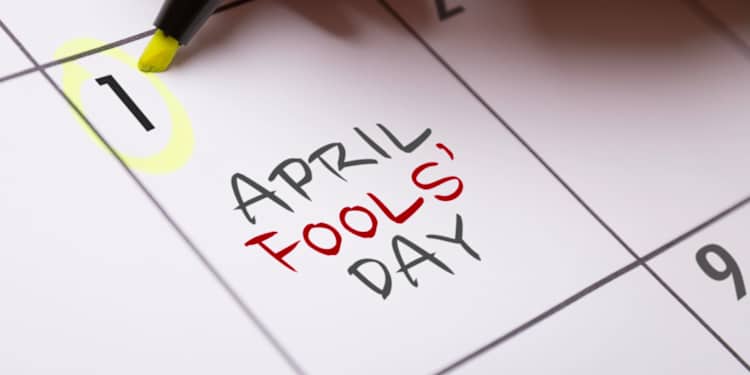
The History And Origin of April Fool Day
Origins of April Fools’ Day
Some historians speculate that April Fools’ Day dates back to 1582, when France switched from the Julian calendar to the Gregorian calendar, as called for by the Council of Trent in 1563. In the Julian Calendar, as in the Hindu calendar, the new year began with the spring equinox around April 1.
Hilaria in Ancient Rome
Historians have also linked April Fools’ Day to festivals such as Hilaria (Latin for “joyful”), which was celebrated in ancient Rome at the end of March by followers of the cult of Cybele. It involved people dressing up in disguises and mocking fellow citizens and even magistrates and was said to be inspired by the Egyptian legend of Isis, Osiris and Seth.
There’s also speculation that April Fools’ Day was tied to the vernal equinox, or first day of spring in the Northern Hemisphere, when Mother Nature fooled people with changing, unpredictable weather.
History of April Fools’ Day
April Fools’ Day spread throughout Britain during the 18th century. In Scotland, the tradition became a two-day event, starting with “hunting the gowk,” in which people were sent on phony errands (gowk is a word for cuckoo bird, a symbol for fool) and followed by Tailie Day, which involved pranks played on people’s derrieres, such as pinning fake tails or “kick me” signs on them.
April Fools’ Day Jokes and Pranks
In 1957, the BBC reported that Swiss farmers were experiencing a record spaghetti crop and showed footage of people harvesting noodles from trees. In 1985, Sports Illustrated writer George Plimpton tricked many readers when he ran a made-up article about a rookie pitcher named Sidd Finch who could throw a fastball over 168 miles per hour.
In 1992, National Public Radio ran a spot with former President Richard Nixon saying he was running for president again—only it was an actor, not Nixon, and the segment was all an April Fools’ Day prank that caught the country by surprise.
For the average trickster, there is always the classic April Fools’ Day prank of covering the toilet with plastic wrap or swapping the contents of sugar and salt containers.