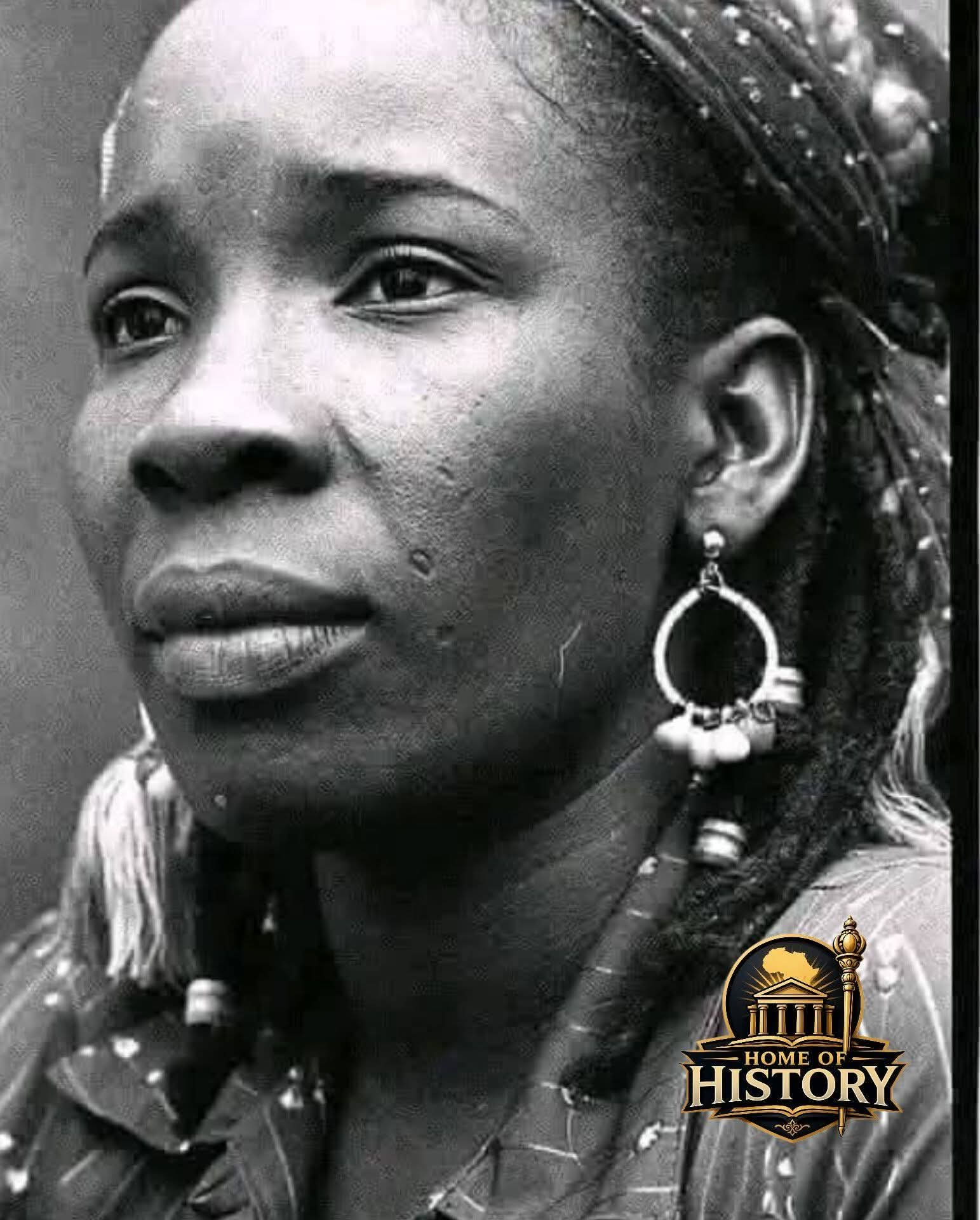
The History of How Bob Marley’s Wife Found a Second Home in Ghana
Rita Marley: How Bob Marley’s Wife Found a Second Home in Ghana and Became Part of Its Cultural Story
When people talk about the legacy of reggae legend Bob Marley, attention often turns to his music, his influence and his contribution to global culture. However, his wife, Rita Marley, has an interesting story of her own, one that connects Jamaica, the Caribbean and Africa.
Born Alpharita Constantia Anderson in Cuba on July 25, 1946, Rita Marley grew up in Jamaica, where she began her musical journey in the early 1960s as a member of the all-female vocal group The Soulettes. The group performed alongside notable musical acts of the period, including the Four Tops and Johnny Nash. She later became one of the backing vocalists in the I-Threes, the celebrated female vocal trio that performed with Bob Marley and the Wailers.
Following Bob Marley’s death in 1981, Rita continued working to preserve his musical legacy while pursuing her own career. In 1982, she released her solo single, “One Draw”, which became popular internationally. Although the song faced airplay restrictions in Jamaica because of its controversial subject matter, it achieved international recognition and reached number 48 on Billboard’s Disco chart.
Rita’s relationship with Africa took a significant turn in the early 1990s when she relocated to Ghana with members of the Marley family. She eventually settled in Konkonuru, a community near Aburi in Ghana’s Eastern Region. In August 2013, she received Ghanaian-Jamaican dual citizenship and a Ghanaian passport in recognition of her contributions to the country. She is also known by the Ghanaian name Nana Afua Adobea, although variations of its spelling appear in published accounts.
Her connection with Ghana has gone beyond residence. Through community initiatives, she has supported education, improved local infrastructure and contributed to projects aimed at improving people’s welfare. Her recording activities in Ghana have also been associated with Tuff Gong’s studio facility in Aburi, rather than Studio One, as some accounts incorrectly suggest.
Through the Rita Marley Foundation, she has continued to support charitable causes, particularly poverty alleviation and female empowerment in Jamaica and Ghana.
Rita Marley’s story is an interesting example of how music, family heritage and cultural identity can connect different parts of the world. Her journey from Jamaica to Ghana has also contributed to the wider conversation about the relationship between Africa and its diaspora.
At Home of History, we recognise that history is not only about the famous names we remember, but also about the people whose journeys continue to connect generations and cultures.
The History of How Bob Marley’s Wife Found a Second Home in Ghana
