TODAY IN HISTORY: OCTOBER 1, 1979- THE DAY NIGERIA RETURNED TO CIVILIAN RULE… AND THE PRESIDENT WHO WOULD LATER BE OVERTHROWN
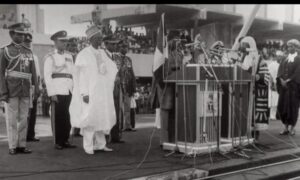
After more than a decade of milit@ry rule, Nigeria witnessed a historic change on October 1, 1979.
Power was handed back to civilians.
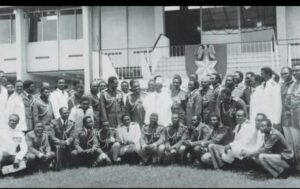
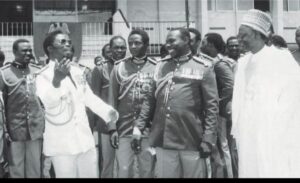
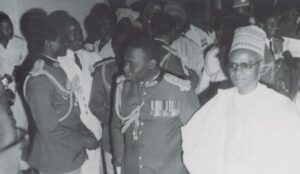
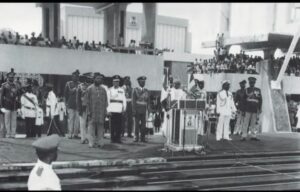
In Lagos, General Olusegun Obasanjo, Nigeria’s milit@ry Head of State, handed over power to Alhaji Shehu Shagari, who was sworn in as President.
The Second Republic had begun.
For Nigerians who had lived through years of milit@ry government, it was a moment filled with hope.
A civilian president was once again sitting at the head of Nigeria’s government.
Shagari would go on to become the first and only President of Nigeria’s Second Republic. He was elected for a second term in 1983.
But the story of the Second Republic would take a dramatic turn.
Just four years after the handover, on the night of December 31, 1983, the milit@ry struck again.
Soldiers overthrew Shagari’s government.
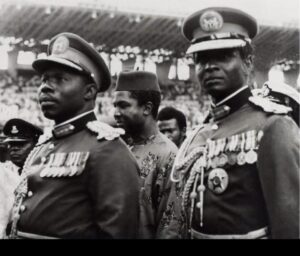
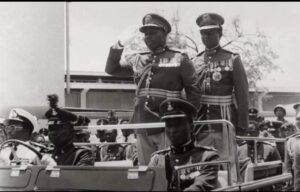
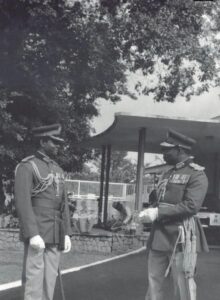
Major General Muhammadu Buhari emerged as the new military leader, and the Second Republic came to an abrupt end.
Shagari was placed under house arrest following the CO’UP. The military @ccused the civilian government of issues including economic mismanagement, corruption and election fraud. Shagari was later cleared of wrongdoing.
Think about the contrast:
October 1, 1979: A military ruler handed power to an elected president.
December 31, 1983: The military returned and took that power back.
In just over four years, Nigeria had gone from celebrating the return of civilian government to witnessing yet another military takeover.
October 1, 1979 — a day of hope.
December 31, 1983 — the end of the Second Republic.
Two dates. One presidency. And another dramatic chapter in Nigeria’s political history.
Sources: Federal Ministry of Information and National Orientation; U.S. Department of State; Council on Foreign Relations.