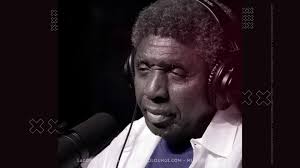
The History And Bio of Bongos Ikwue: The Nigerian King of Blues
Bongos Ikwue is one of Nigeria’s most celebrated musicians, often called a soul, folk, and blues maestro. His voice, songwriting, and authenticity have earned him a timeless place in African music. With a career spanning decades, he remains relevant, respected, and deeply loved.
The written record
Early Life
Bongos Ikwue is a Nigerian singer and song writer born on the 6th of June 1942 in Otukpo, Benue state. He attended St Pauls Secondary School, Zaria and Okene Comprehensive Secondary School where he formed his first band – the Cubana Boys. He also attended Abu Zaria, Kaduna.
Bongos Ikwue Music career started early in school while he attended Okene Comprehensive where he formed a group called “Cubana Boys” after which he moved to Ahmadu Bello University, Zaria where he studied Business Administration. While in (ABU) Zaria he formed his own band called “Unibello Brothers”. In 1967 he founded and headed the “Groovies Band”. Mr Ikwue also composed the song “Cocks Crow at Dawn” which was used as soundtrack for Inale, a 2010 Nigerian musical drama film produced by Keke Bongos and directed by Jeta Amata.
Musical Style: Folk, Soul, Highlife, and “Blues”
Historical context
Though often associated with highlife, Bongos Ikwue’s sound is much richer. It’s a fusion of African folk, soul, jazz, blues, and traditional Idoma rhythm. As All About Jazz writes, he “shatters the common conceptions of what an African artist could or should be” by blending traditional Idoma music, American soul, country, and reggae with a deeply personal style.
His voice is gentle and intimate, often singing about love, unity, and social consciousness. Some notable songs and albums are , “Cock Crow at Dawn”: which became the theme for a popular Nigerian television soap opera. “Still searching”. “Otachikpokpo” and “Amen”. Bongos Ikwue is not just an artist, he’s a legend. He’s been honored for his many years of contribution to Nigerian music:
In 2022, President Muhammadu Buhari congratulated him on his 80th birthday, calling him a “music maestro” whose voice “keeps serenading … for more than 40 years.” He also won the African Movie Academy Award for Best Soundtrack in 2011 for his compositions for the film Inale, produced by his daughter, Keke Bongos Ikwue.
His music has been praised for its philosophical depth, emotional richness, and cultural fidelity. Though he isn’t a “blues” artist in the strictly American sense, Bongos Ikwue’s music often feels like blues in spirit because it’s combined with emotional, honest, and heartfelt lyrics. A slow, reflective delivery that invites introspection. A fusion of local and international influences, giving his music a timeless quality. His ability to combine folk storytelling, soul, highlife, and Idoma cultural wisdom makes him one of the most unique voices in Nigerian music.
Family and Later Life
Family is a big part of his story. His daughter Jessica Bongos Ikwue is also a musician, blending soul, jazz, blues, and alternative sounds inspired by her father’s legacy. Although he reduced his musical output for a while, he returned in later years, working again with his daughters and revisiting his older classics. He also remains active in cultural events; in late 2024, he was part of a Christmas “Old Skool Night” in Akwa Ibom State.
Bongos Ikwue is a living legend, a singer-songwriter who wove the threads of African tradition, American influences, and personal philosophy into songs that resonate across generations. His work is soulful, wise, and deeply human. For anyone exploring Nigeria’s musical heritage, Bongos Ikwue is the kind of artist whose songs remain relevant, moving, and eternally beautiful.

Bongos Ikwue